
The Dangers of High Blood Pressure in Aging Women
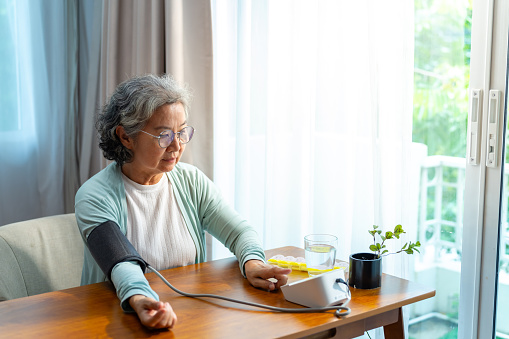
High blood pressure (hypertension) is a serious health concern for aging women because it often develops silently and worsens over time without obvious symptoms. After menopause, declining estrogen levels can cause blood vessels to stiffen and narrow, increasing the risk of sustained high blood pressure. Over time, this added strain damages artery walls, making them more prone to plaque buildup and reducing healthy blood flow to vital organs.
One of the most significant dangers of uncontrolled hypertension is its impact on the heart and brain. Aging women with high blood pressure face an increased risk of heart disease, including coronary artery disease, heart failure, and left ventricular hypertrophy (thickening of the heart muscle). Hypertension is also a leading cause of stroke, as weakened or blocked blood vessels in the brain can rupture or clot, resulting in long-term disability or loss of independence.
High blood pressure can also harm kidney function, a risk that rises with age. The kidneys rely on healthy blood vessels to filter waste from the body; when those vessels are damaged by hypertension, chronic kidney disease can develop. Additionally, hypertension contributes to vision loss through damage to the delicate blood vessels in the eyes (hypertensive retinopathy), and it has been linked to vascular dementia due to reduced blood flow to the brain.
Beyond these major health events, uncontrolled hypertension can worsen other age-related conditions, including osteoporosis and frailty, by impairing circulation and overall organ function. Because symptoms may not appear until serious damage has occurred, routine monitoring, healthy lifestyle choices, and appropriate medical care are essential to reducing the risks and helping aging women maintain independence and quality of life.
To read more about the dangers of high blood pressure in aging women, from Cedars Sinai, CLICK HERE.