
Health and Wellness
The Benefits of Mindfulness Exercises
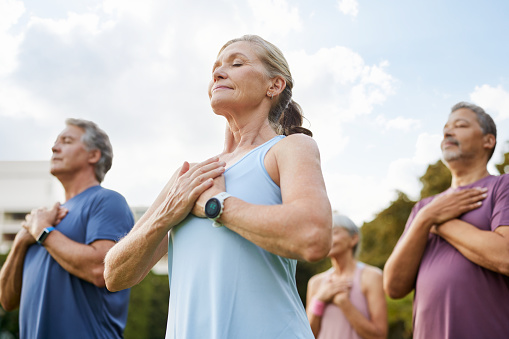
Mindfulness exercises offer meaningful benefits for seniors by helping them stay present, calm, and more connected to their daily experiences. Simple practices like focused breathing, gentle body awareness, or quiet reflection can reduce stress and promote a sense of inner peace. As people age, they often face changes in health, routine, or independence, and mindfulness…
Read MoreEarly Bird or Night Owl – How it Impacts Your Wellness
Some people naturally feel more alert and productive in the early morning, often referred to as “early birds.” Waking up earlier in the day can provide a quiet, distraction-free environment that many people find ideal for focus and productivity. Morning routines may support healthier habits such as consistent sleep schedules, exercise, and time for reflection…
Read MoreTips to Improve Longevity as We Age
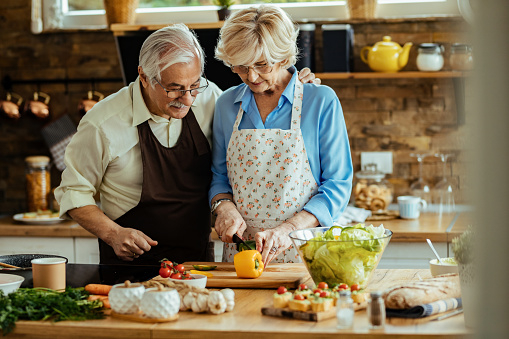
For seniors looking to improve longevity, incorporating healthy habits into daily life can make a significant difference. Staying physically active is essential—even gentle exercises like walking, stretching, light strength training, or household chores help maintain cardiovascular health, muscle strength, and balance. Pairing movement with a balanced diet rich in fruits, vegetables, whole grains, lean proteins,…
Read MoreCan You Develop Asthma Later in Life?
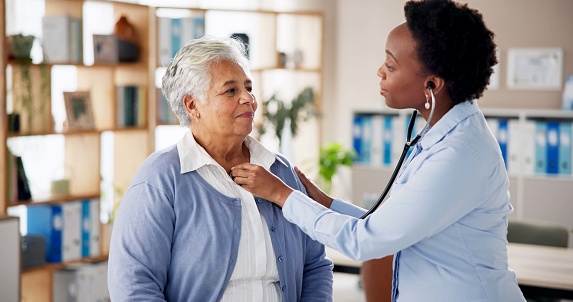
Asthma can develop later in life, a condition often referred to as adult-onset asthma, and it is more common in older adults than many people realize. Unlike childhood asthma, which is often linked to allergies, asthma in seniors may be triggered by long-term exposure to irritants such as air pollution, tobacco smoke, chemical fumes, or…
Read MoreThe Dangers of High Blood Pressure in Aging Women
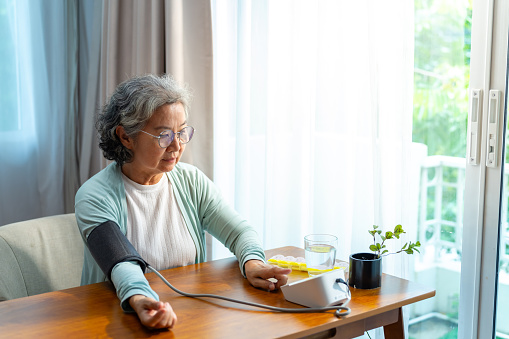
High blood pressure (hypertension) is a serious health concern for aging women because it often develops silently and worsens over time without obvious symptoms. After menopause, declining estrogen levels can cause blood vessels to stiffen and narrow, increasing the risk of sustained high blood pressure. Over time, this added strain damages artery walls, making them…
Read MoreGood News! More People are Surviving Cancer than Ever Before
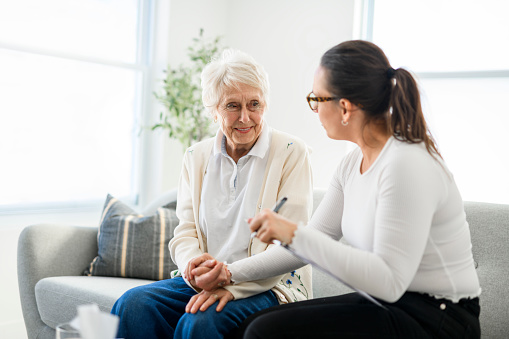
More people are surviving cancer than ever before thanks to major advances in early detection and screening. Improved imaging, genetic testing, and routine screenings are helping doctors identify cancers at earlier, more treatable stages. When cancer is caught early, treatment options are often more effective and less aggressive, leading to better outcomes and higher survival…
Read MoreThe Health Risks of Extreme Cold Weather
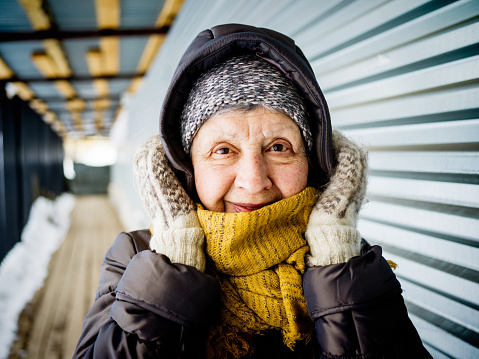
Winter brings shorter days, lower temperatures, and unpredictable weather patterns that can be especially dangerous for older adults. As the body ages, it becomes less efficient at sensing and regulating temperature, which makes it harder to stay warm in cold environments. Even brief exposure to freezing temperatures can cause the body’s internal heat to drop…
Read MoreSpotting the Warning Signs of Parkinson’s
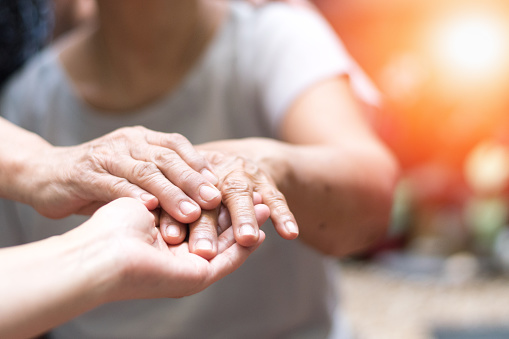
Parkinson’s disease is a progressive neurological disorder that affects movement and coordination. It develops gradually, and early signs can be subtle, often mistaken for normal aging. Recognizing the warning signs early can help individuals seek medical evaluation and start treatment that may slow symptom progression and improve quality of life. One of the most common…
Read MoreHow to Find the Right Support Group for Grief
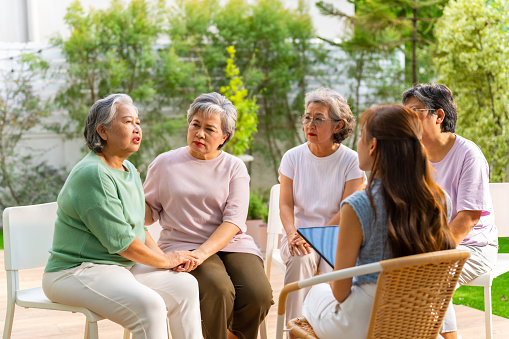
Grief is a deeply personal journey, but it’s not one that anyone has to walk alone. Many people find healing and understanding through grief support groups—safe spaces where individuals share their experiences, listen to others, and learn healthy ways to cope. Finding the right group can make a world of difference in helping you move…
Read MoreSip Your Way to Better Health with Tea
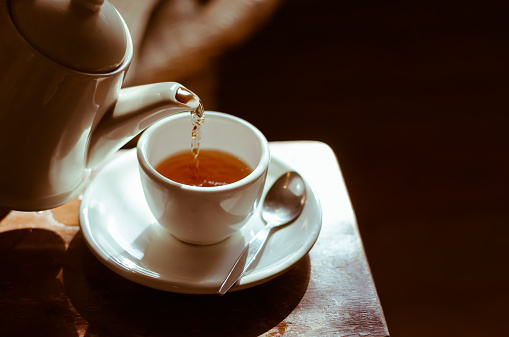
There’s something so comforting about a warm cup of tea, especially when it does more than just taste good. Many teas have gentle, natural properties that can help ease common aches and discomforts—making them a simple and soothing addition to your daily routine. For Achy Joints and MusclesIf stiffness or soreness is part of your…
Read More