
Posts by daylesfordcros
Cognitive Speed Training and Lowering Dementia Risk

Cognitive speed training—sometimes called processing speed training—focuses on improving how quickly the brain can take in, interpret, and respond to information. This type of training often uses computerized exercises that challenge participants to identify visual details, track multiple objects, or make rapid decisions under time pressure. For older adults, maintaining processing speed is critical because…
Read MoreIs it Time to Consider an eReader?

For many older adults who have enjoyed printed books for decades, transitioning to an eReader can feel like a big change. The key to a smooth adjustment is recognizing that eReaders are designed to make reading easier and more comfortable. Many devices allow readers to enlarge text, adjust brightness, and change font styles, making words…
Read MoreEarly Bird or Night Owl – How it Impacts Your Wellness

Some people naturally feel more alert and productive in the early morning, often referred to as “early birds.” Waking up earlier in the day can provide a quiet, distraction-free environment that many people find ideal for focus and productivity. Morning routines may support healthier habits such as consistent sleep schedules, exercise, and time for reflection…
Read MoreTips to Improve Longevity as We Age

For seniors looking to improve longevity, incorporating healthy habits into daily life can make a significant difference. Staying physically active is essential—even gentle exercises like walking, stretching, light strength training, or household chores help maintain cardiovascular health, muscle strength, and balance. Pairing movement with a balanced diet rich in fruits, vegetables, whole grains, lean proteins,…
Read MoreCan You Develop Asthma Later in Life?

Asthma can develop later in life, a condition often referred to as adult-onset asthma, and it is more common in older adults than many people realize. Unlike childhood asthma, which is often linked to allergies, asthma in seniors may be triggered by long-term exposure to irritants such as air pollution, tobacco smoke, chemical fumes, or…
Read MoreThe Dangers of High Blood Pressure in Aging Women

High blood pressure (hypertension) is a serious health concern for aging women because it often develops silently and worsens over time without obvious symptoms. After menopause, declining estrogen levels can cause blood vessels to stiffen and narrow, increasing the risk of sustained high blood pressure. Over time, this added strain damages artery walls, making them…
Read MoreThe Latest Information on FDA-Cleared Blood Tests for Alzheimer’s Disease
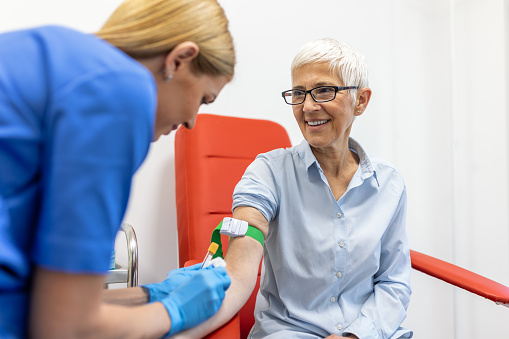
FDA-cleared blood tests for Alzheimer’s disease represent a major advance in how the condition can be detected and evaluated. These tests measure specific biomarkers in the blood—such as phosphorylated tau (p-tau) and beta-amyloid proteins—that are associated with the hallmark brain changes seen in Alzheimer’s. Because they require only a standard blood draw, they are far…
Read MoreBest Supplements for Older Adults

As we age, our bodies absorb and use nutrients less efficiently, making certain supplements helpful for supporting overall health. One of the most important is vitamin D, which plays a key role in bone strength, muscle function, and immune health. Many older adults don’t get enough vitamin D from sunlight or diet alone, increasing the risk…
Read MoreThe Best Low Impact Exercises for Seniors

Low-impact exercises are a great way for seniors to stay active, build strength, and support overall health while being gentle on the joints. Walking remains one of the simplest and most effective options—it improves cardiovascular health, supports bone strength, and can be easily adjusted for pace and distance. Whether it’s a stroll around the neighborhood…
Read MoreBehavioral Changes and Dementia

Dementia doesn’t only affect memory—it often brings noticeable changes in behavior and personality that can be confusing and emotionally challenging for both the person living with the condition and those who care about them. These changes happen as the disease affects different areas of the brain responsible for judgment, emotions, and social behavior. One of…
Read More